
Greeley, CO – September 30, 2026 – PRESSADVANTAGE –
ABRA Auto Body Greeley has published new consumer guidance explaining how pickup truck collision repair can differ from repairs involving other passenger vehicles. The September resource focuses on how truck body configuration, the relationship between the cab and bed, structural components, impact location, and vehicle-specific repair information can influence repair planning after an accident.
Pickup trucks can be constructed differently from many passenger cars and crossovers. Rather than treating truck collision repair as a single category, the new guidance explains how technicians identify the damaged areas and evaluate the components associated with the individual impact.
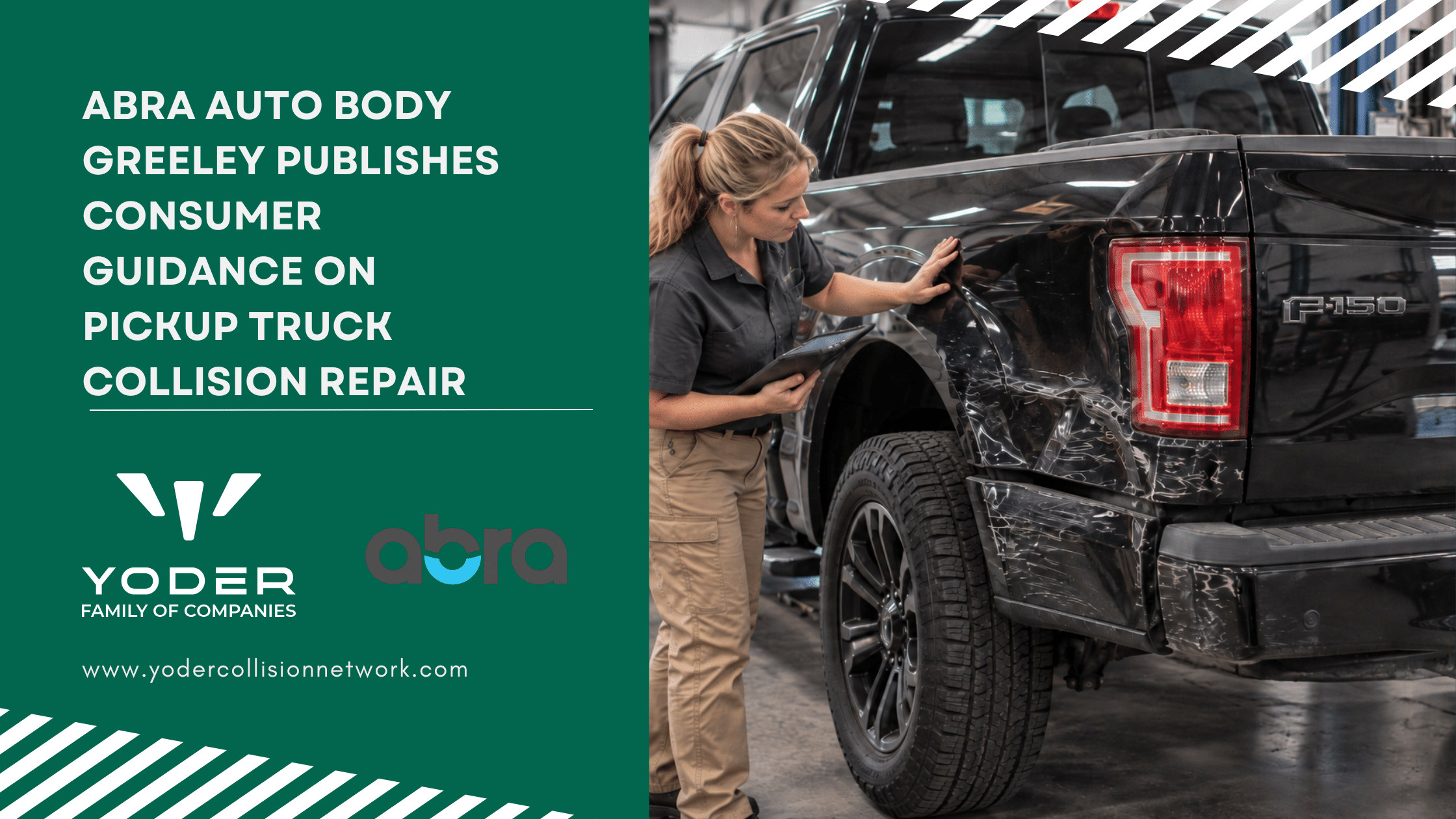
The resource adds a truck-specific explanation to Yoder Collision Network’s existing collision repair information, concentrating on the relationship between exterior truck components and the structures that support them.
An initial evaluation begins with the visible collision conditions. Depending on the impact, damage may involve the front end, cab, doors, rocker areas, rear quarter areas, pickup bed, tailgate, bumper, wheels, or other exterior components.
The location of the damage helps establish which areas may require further evaluation. A collision involving the pickup bed, for example, presents different considerations from an impact concentrated around the front fender or cab.
Many pickup trucks use a body-on-frame configuration in which the cab and bed are mounted to a separate frame. Vehicle designs vary, however, so identifying the specific truck and its construction is an important part of determining which repair information applies.
The September guidance emphasizes that visible body damage does not automatically establish frame damage. A dented bedside, damaged tailgate, or displaced bumper can exist without documented structural changes to the frame. Structural conditions are evaluated based on the individual collision and findings from the vehicle.
When structural evaluation is appropriate, measurement can provide information that exterior appearance alone cannot. Vehicle-specific dimensions and reference points can be used to evaluate whether relevant areas remain within applicable specifications.
The relationship between the cab and pickup bed can also provide useful information during repair planning. These are separate exterior assemblies on many trucks, and an impact can affect one area differently from the other. Technicians can document the condition of the damaged components, their mounting areas, and relevant adjoining structures rather than assuming that an impact to one assembly affected the entire vehicle.
Pickup beds introduce several component-level considerations. Depending on the truck, an impact can involve bedside panels, the bed floor, wheelhouse areas, mounting points, the tailgate, rear bumper, lamps, or other components.
The repair approach can depend on which component is damaged, its material and construction, the location and characteristics of the damage, and applicable manufacturer information. Additional information about restoring damaged exterior components is available through Yoder Collision Network’s auto body repair information.
Tailgates can also contain more technology than their exterior appearance suggests. Depending on the vehicle and equipment, a tailgate or surrounding rear area may incorporate cameras, wiring, lighting, electronic latches, sensors, or other components.
Their presence does not establish that a particular diagnostic, replacement, or calibration procedure is required after every rear impact. Instead, identifying the individual truck and researching applicable manufacturer information can help determine which procedures correspond to the damaged components and repair operations.
Similar considerations apply around the front and sides of a pickup. Cameras, radar units, parking sensors, wiring, and other electronic systems may be located within bumpers, grilles, mirrors, or adjoining components. Repair planning can account for this technology when the documented collision or repair operation involves those areas.
Truck construction materials can further influence repair decisions. Depending on the manufacturer and model, pickup components can incorporate different grades of steel, high-strength steel, aluminum, plastics, composites, and other materials.
These differences are particularly relevant when evaluating whether a damaged panel can be repaired or requires replacement. A repair method appropriate for one truck component should not automatically be assumed appropriate for another component with similar-looking damage.
Manufacturer repair information can address material-specific procedures, repair limitations, removal and installation, joining methods, structural measurements, corrosion protection, and other technical requirements. Yoder Collision Network provides additional information about manufacturer-specific repair considerations through its OEM certification information.
The September guidance also addresses impacts near truck wheels and suspension areas. Pickup trucks can differ in wheelbase, suspension design, drivetrain configuration, and intended load-carrying characteristics. When collision damage occurs near a wheel or related area, technicians can evaluate the components relevant to the documented impact rather than relying solely on the condition of the tire or exterior body panel.
The same component-specific approach applies throughout the vehicle. A pickup with damage concentrated on the bed may require a different evaluation from a truck with cab, frame, suspension, or front-end involvement. Even two trucks with similar exterior damage can require different repair plans because their construction, materials, equipment, and manufacturer procedures differ.
The new September resource is intended to clarify these truck-specific considerations without suggesting that pickup trucks are inherently more difficult to repair or that every truck collision results in structural damage.
Instead, the guidance explains why repair planning begins by identifying the truck’s configuration and the components actually involved in the collision. Visible damage establishes the starting point, while appropriate access, measurement, component identification, and vehicle-specific technical information can provide additional detail when relevant.
The central takeaway is that pickup truck collision repair is developed around the construction and documented condition of the individual vehicle. The cab, bed, frame, exterior panels, suspension-related areas, and installed technology can each have different roles in the repair plan depending on where and how the truck was damaged.
ABRA Auto Body Greeley is part of Yoder Collision Network and provides collision and auto body repair services at 2835 S 31st Ave, Greeley, CO 80631. The facility provides body and structural repair, refinishing, vehicle measurement, and related collision repair services.
###
For more information about ABRA Auto Body Greeley, contact the company here:
ABRA Auto Body Greeley
Micah
970-304-0165
greeley@abraauto.com
2835 S 31st Ave, Greeley, CO 80631


