Repeated heavy rain is putting roof leaks under closer watch across Pinellas County
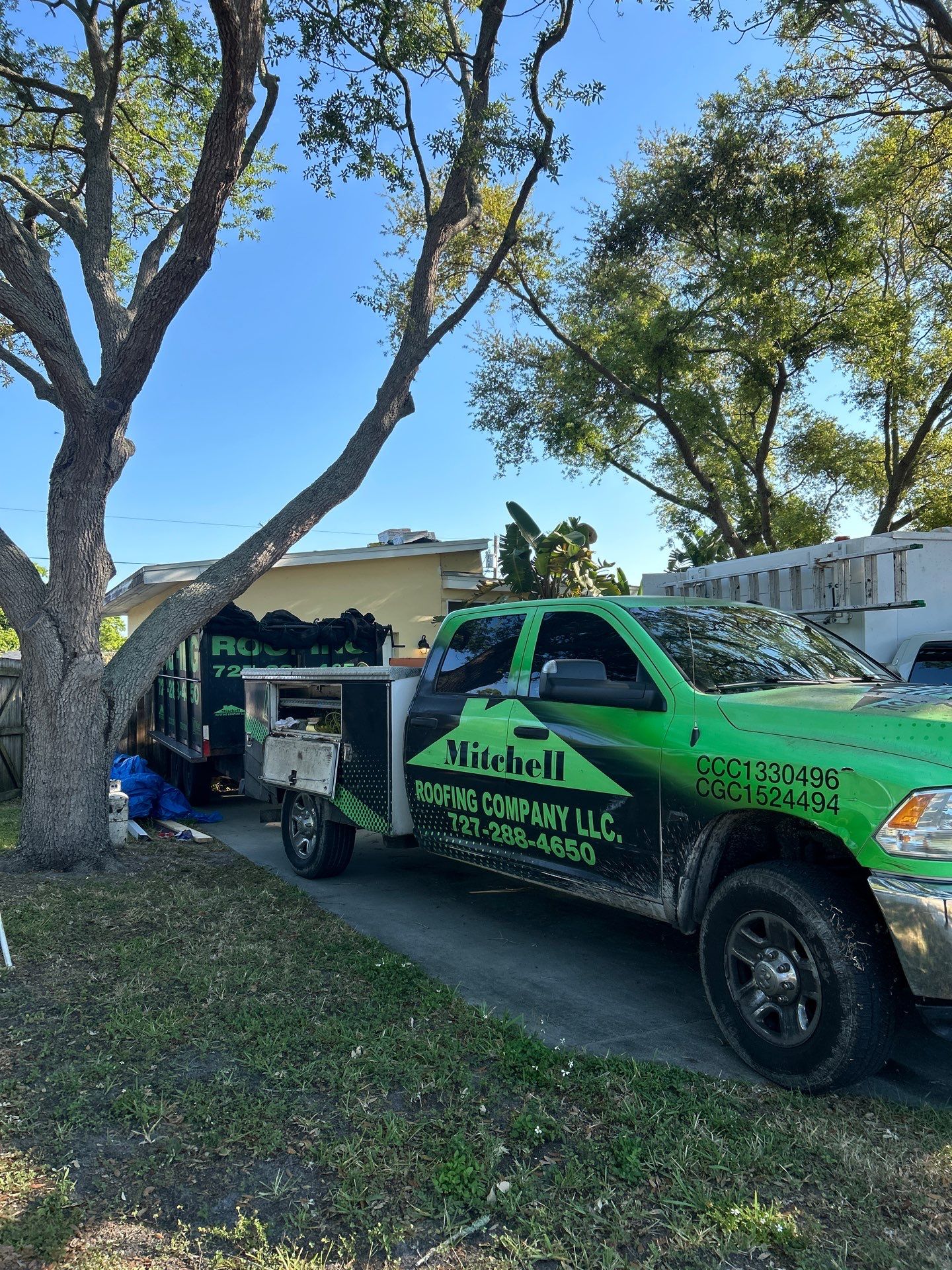
PINELLAS COUNTY, FL, UNITED STATES, September 23, 2026 /EINPresswire.com/ — Repeated heavy rain is putting roof leaks under closer watch across Pinellas County. Roofers in Pinellas County often see water enter through valleys, flashing, fastener holes, and other weak spots that may look fine from the ground. Mitchell Roofing Company works throughout the county and encounters roof conditions shaped by Florida rain, heat, wind, and coastal air.
Back-to-back storms can create a different problem than one hard downpour. Water may keep reaching the same weak area before damp decking and other roof layers have time to dry. Older tile, shingle, metal, and low-slope roofs can each react to that repeated moisture in different ways.
Small leaks can stay hidden until another round of rain pushes the damage farther.
Wind Pushes Water Backward
Heavy Gulf winds can drive rain beneath shingles, ridge caps, and flashing instead of letting it flow down the roof. Sudden pressure can send water into small gaps that stay dry during lighter showers. Hidden entry points may then become harder to trace once several storms soak the same area.
Wind-driven rain can also reach roof sections that rarely face direct water during normal weather. Repeated exposure may leave decking, fasteners, and nearby materials damp for longer periods. Mitchell Roofing Company works across Pinellas County, where these conditions can complicate roof leak checks after periods of heavy rain.
Tile Roofs Can Hide Trouble
Tile roofs can appear solid even when water has already slipped below the surface. The main waterproof layer sits under the tile, where years of Florida heat can leave the underlayment dry, brittle, or cracked. Rain that keeps returning can find those weak areas before any damage becomes easy to see.
Ceiling stains may not appear until moisture has moved well beyond its first entry point. Older underlayment can also hold water longer once several storms hit the same roof. Mitchell Roofing Company encounters these hidden conditions while working on tile roofs across Pinellas County.
Old Fastener Holes Can Reopen
Roof fasteners can become weak points as a roof ages. Hot days make roofing materials expand, while cooler weather makes them contract again. Years of that movement can slowly loosen the seal around nails and screws.
Tiny openings may stay unnoticed during short showers. Several days of heavy rain can give water more time to work through those gaps. Once moisture reaches the roof deck, the leak can spread beyond the original fastener hole.
Older roofing systems may face more risk because the materials around each fastener have already gone through years of heat and weather. Repeated storms can expose openings that caused little trouble in the past. Fastener holes can become one more hidden path for water during long stretches of wet weather.
Roof Valleys Take the Hardest Flow
Roof valleys handle a heavy rush of water because two roof slopes drain into the same narrow path. Worn flashing or loose shingles can leave that area open to moisture. Heavy rain can put extra stress on weak spots that seemed fine during lighter weather.
Storms that arrive close together can make the problem worse. Water may keep moving across damaged underlayment before the area has time to dry. A small valley weakness can then turn into a leak that spreads beneath nearby roofing materials.
Old Repairs Can Start Failing
Older roof repairs can weaken after years of heat, rain, and daily movement. Sealants may crack, patches may lift, and flashing can lose the tight fit it once had. Repeated rainfall can then work into the edge of that repair and reopen a path for water.
Past repair areas can offer useful clues during a leak check after a long wet stretch. Moisture may follow the old patch before spreading into nearby roofing materials. Mitchell Roofing Company performs roof repair work across Pinellas County, where aging repairs can become a concern after repeated storms.
Pitch Changes Create Water Traps
Roof slope changes can create spots where water slows down instead of draining away fast. Runoff from a steeper section may hit a flatter area with more force than that section can handle. Flashing and seams at that transition can take extra stress during heavy rain.
Long wet periods can make small defects easier to expose. Water may collect near weak waterproofing and move into gaps that stay dry in normal weather. The rest of the roof can look fine while moisture starts working through one problem area.
Penetrations Face Water From Every Side
Pipes, vents, skylights, and rooftop equipment break up the smooth surface of a roof. Each opening adds seams where flashing and sealants must keep water out. Heavy rain can surround those spots and press against them from more than one direction.
Small defects may stay hidden during lighter weather. Several storms in a row can keep feeding water into the same weak seam until moisture slips below the roof surface. A leak can then form around one opening even while nearby roofing stays dry.
Wet Decking Can Stay Hidden
Roof decking can hold moisture without causing a ceiling drip right away. Repeated storms may keep the wood damp long after the rain stops. Hidden moisture can spread beneath the surface before any indoor stain appears.
Damp decking can become easier to spot once old roofing materials are removed. Soft or damaged wood may affect how much repair work is needed before new materials go down. Mitchell Roofing Company handles roof replacement projects across Pinellas County, where concealed deck damage can change the work once the roof is opened.
Continued Rain Keeps Attention on Roofers in Pinellas County
Repeated heavy rain can reveal roof problems that stay hidden during shorter or lighter storms. Mitchell Roofing Company operates in Pinellas County, where ongoing rainfall continues to raise concerns about flashing, underlayment, fasteners, valleys, and aging roof materials. Readers can visit https://www.mitchellroofingcompanyllc.com/ for additional information.
Christopher Mitchell
Mitchell Roofing Company LLC
+1 727-288-4650
mitchellroofingcompanyllc@gmail.com
Visit us on social media:
Instagram
Facebook
YouTube
Legal Disclaimer:
EIN Presswire provides this news content “as is” without warranty of any kind. We do not accept any responsibility or liability
for the accuracy, content, images, videos, licenses, completeness, legality, or reliability of the information contained in this
article. If you have any complaints or copyright issues related to this article, kindly contact the author above.

Media gallery