
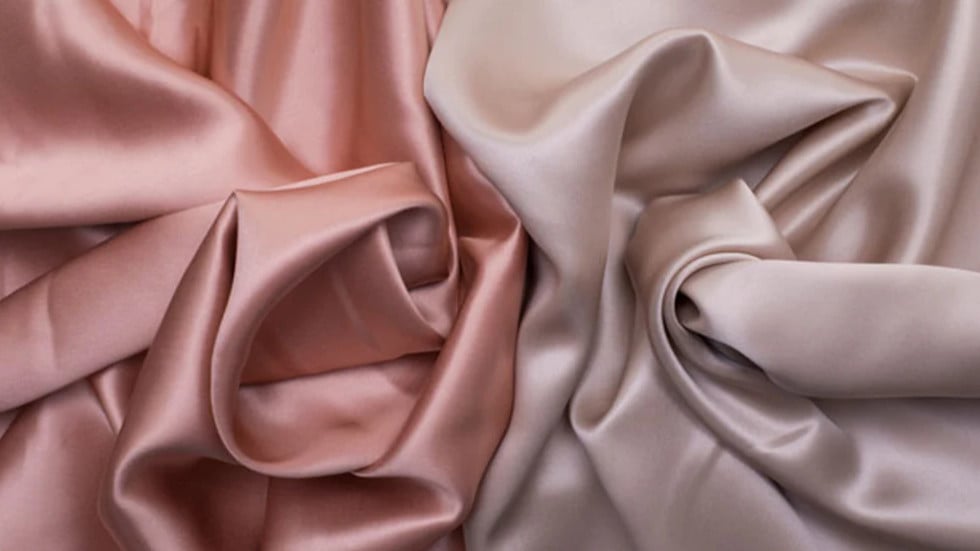
Key Takeaways
- Satin is a weaving technique, not a fibre – it describes how threads are arranged, not what they are made of, which is why satin can range from budget polyester to genuine luxury silk.
- Silk is the only natural fibre of the three: a protein filament spun by silkworms that offers genuine breathability, temperature regulation, and long-term durability that neither rayon nor synthetic satin can replicate.
- Rayon is a semi-synthetic fibre derived from plant cellulose – softer and more affordable than silk, but notably weaker when wet and less durable over time.
- Momme weight is the single most useful number on a silk label: higher momme means a denser, more durable weave – and most premium bedding sits between 22 and 25 momme.
- Grade 6A Mulberry silk represents the top tier of silk quality, and understanding what that grading means can save shoppers from paying premium prices for inferior alternatives.
Walk into any fabric shop and the bolts look remarkably similar – silky, smooth, catching the light in the same flattering way. But silk, rayon, and satin behave very differently the moment they leave the shop floor. Knowing what each one actually is before buying makes the difference between a fabric that lasts years and one that loses its shape after a few washes.
Satin Is a Weave – A Common Misconception Among Shoppers
Most shoppers treat satin as though it were a fabric in its own right – something like cotton or wool. Satin is a weaving structure, one where threads float over several others before passing under just one. That long-float pattern is what creates the signature glossy surface on one side and the flatter, matte finish on the reverse.
The confusion is understandable. Fabric labels rarely say “polyester woven in a satin structure.” They just say “satin.” Because satin can be made from silk, polyester, nylon, rayon, or even cotton, the word tells a shopper almost nothing about what they are actually buying. Historically, silk satin was a fabric closely associated with luxury and royal settings – used for upholstery in palaces like Versailles during the era of Louis XIV – which is a very different proposition from the polyester version found on the high street today.
Understanding the distinction between silk, rayon, and satin is worth doing before spending money on any of the three. A closer look will make the differences clear.
What Each Actually Is
Silk: Natural Protein Fibre from Silkworms
Silk is a natural protein fibre produced by silkworms – specifically, the long continuous filament each worm spins to form its cocoon. The highest-quality version, Mulberry silk, comes from silkworms fed exclusively on mulberry leaves, producing fibres that are longer, stronger, and more uniform than those of wild or mixed-diet worms. The result is a fabric with a subtle, shifting sheen and a buttery softness that comes from the fibre itself, not from any finishing process.
Rayon: Regenerated Cellulose, Not Truly Natural
Rayon sits in an awkward middle ground. Starting with natural cellulose – usually wood pulp or bamboo – the raw material is dissolved in chemicals and extruded through spinnerets to form fibres. The result is classified as a regenerated cellulose fibre: natural in origin, synthetic in process. Developed as a lower-cost silk alternative, rayon does a reasonable impression in terms of softness and drape. The trade-off is structural: rayon fibres weaken considerably when wet, making the fabric prone to stretching, shrinkage, and distortion if washed carelessly.
Satin: A Weaving Technique, Not a Material
Satin is defined entirely by its weave. The fibre underneath determines everything else – breathability, durability, feel, and price. Silk satin and polyester satin share the same weave structure but have almost nothing else in common. One breathes and regulates temperature; the other traps heat. One holds up with careful use over time; the other pills and degrades. The label “satin” on its own is, for a discerning shopper, essentially meaningless without knowing the fibre content.
How They Feel, Drape, and Breathe
Silk’s Thermoregulation and Generally Hypoallergenic Nature
Silk is one of very few fabrics that genuinely adapts to body temperature – keeping the wearer cool in warm conditions and retaining warmth when the air is cold. This thermoregulation is a property of the fibre itself, not a finish that washes out. Mulberry silk is also naturally resistant to dust mites, mould, and common allergens, which is why it tends to suit people with sensitive skin or respiratory sensitivities better than most alternatives. The smooth, low-friction surface reduces mechanical stress on hair and skin – particularly relevant for anyone who sleeps on a silk pillowcase.
Rayon’s Softness vs. Its Limitations
Rayon drapes beautifully and feels genuinely soft against skin. For casualwear, linings, and everyday clothing, it earns its place. That said, it does not thermoregulate the way silk does – it handles warmth reasonably well but offers little insulation in the cold. Its moisture management is decent but not exceptional, and because it weakens when wet, it demands careful handling. For bedding or items that see regular washing, those limitations add up quickly.
Why Satin Varies So Wildly in Quality
Silk Satin vs. Polyester Satin: Not the Same Thing
The price gap between the cheapest satin and the most expensive tells the story plainly. That spread exists because the weave structure can be applied to almost any fibre. Polyester satin is inexpensive, holds its shape, and resists wrinkles – but traps heat, feels synthetic against skin, and lacks any of the natural benefits silk brings. Silk satin, at the top of the range, combines the glossy weave with silk’s breathability, temperature regulation, and hypoallergenic properties. Rayon satin sits in between: a softer feel than polyester at a lower cost than silk, but with rayon’s durability caveats still in play.
For structured garments worn occasionally – evening wear, bridal gowns, formal upholstery – polyester satin is a practical and defensible choice. For anything worn or slept on regularly, the fibre underneath the weave matters enormously.
Why Fabric Prices Vary: Fibre, Quality, and Production
Price in textiles is almost always a reflection of production complexity. Silk commands a significant premium because harvesting silkworm filaments is labour-intensive, the supply of high-grade material is limited, and the grading process is rigorous. Rayon sits at a more accessible price point because the chemical manufacturing process is scalable and the raw materials are widely available. Satin’s price range simply mirrors whatever fibre is underneath – polyester satin sits at the low end; silk satin at the high end.
What this means practically: a “satin” product at the cheaper end of the market is almost certainly synthetic. A silk product priced suspiciously low is worth scrutinising – either the grade is poor, the momme weight is low, or the fabric is not pure silk at all.
What Momme Tells You That Labels Don’t
Momme (mm) is the weight measurement used for silk, functioning similarly to thread count for cotton – but more reliably. A higher momme number means more silk per unit area: a denser, heavier, more durable weave.
- 12-16 momme – lightweight, often used for scarves and linings; not ideal for bedding
- 19 momme – the entry-level standard for many silk bedding brands
- 22-25 momme – heavier, more durable; the range associated with quality bedding that holds its shape and feel through years of washing
Momme is the number that cuts through vague label language. Two products both labelled “100% silk” can behave very differently if one is 16 momme and the other is 25 momme. Most labels omit this detail, yet it is the one most worth asking about before purchasing.
Grade 6A Mulberry Silk: Premium Quality Worth Considering for Daily Use
Silk is graded on a scale that assesses fibre length, uniformity, and cleanliness. Grade 6A is the top classification – reserved for the longest, most consistent, and least-blemished filaments available. Fabrics woven from 6A silk feel noticeably smoother and hold their structure longer than those made from lower-grade material, where shorter or less uniform fibres create more texture variation and earlier wear.
For daily-use items like pillowcases and bed sheets, grade matters beyond initial feel. Lower-grade silk may feel adequate at first but tends to thin, pill, or lose its drape after repeated washing. Grade 6A at 22-25 momme is the combination that makes silk bedding a long-term investment rather than a short-term indulgence.
Mayfairsilk
13 Hanover Square
Mayfair
London
England
W1S 1HN
United Kingdom


