
Little Rock, AR – June 19, 2026 – PRESSADVANTAGE –
Bale Collision Center announced an increased emphasis on OEM repair procedures as vehicle manufacturers continue introducing advanced materials, integrated safety technologies, and evolving repair requirements.
According to the company, original equipment manufacturer (OEM) repair procedures provide detailed guidance regarding vehicle construction, structural repair methods, component replacement requirements, and post-repair verification processes. As modern vehicles become more sophisticated, manufacturer repair information has become an increasingly important part of the collision repair process.
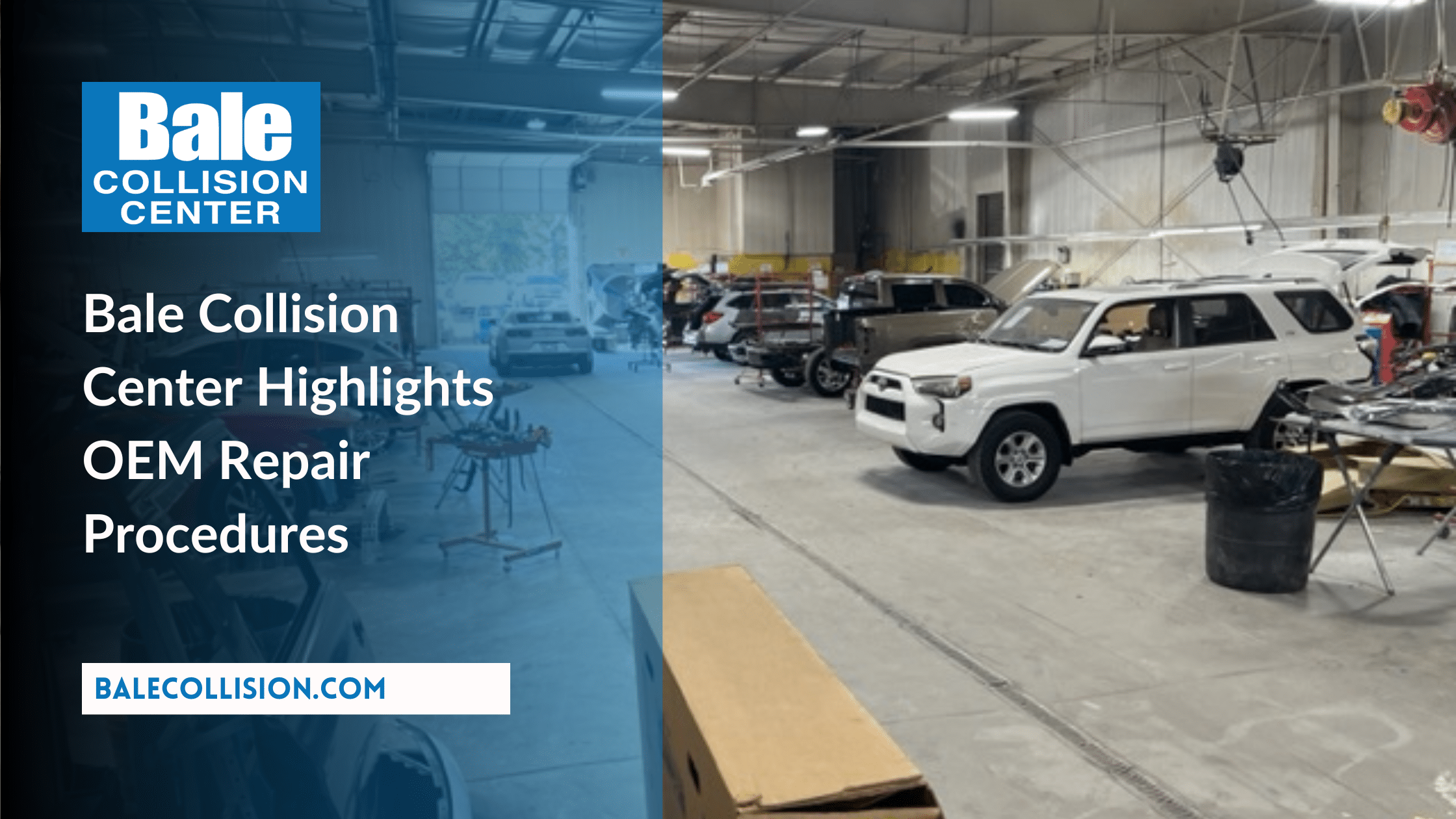
Bale Collision Center states that vehicle manufacturers routinely update repair documentation to address new technologies, engineering changes, and safety system requirements. These procedures help guide repair decisions and provide repair facilities with information intended to support proper restoration following a collision.
“Vehicle designs continue changing every year,” said a representative of Bale Collision Center. “Manufacturer repair procedures help ensure repair planning and repair execution align with the standards established for each vehicle.”
The company notes that today’s vehicles frequently incorporate high-strength steel, aluminum components, advanced driver-assistance systems, sensors, cameras, and other technologies that may require specialized repair methods. Manufacturer repair information often addresses how these systems should be inspected, repaired, or replaced following an accident.
According to Bale Collision Center, OEM procedures may influence structural repairs, panel replacement, refinishing operations, welding requirements, component installation, and quality-control processes. Repair recommendations can vary significantly depending on the vehicle manufacturer, model, and extent of damage.
The company also notes that manufacturer documentation often contains vehicle-specific instructions that are not interchangeable across brands. Repair methods appropriate for one vehicle may differ substantially from those recommended for another due to variations in materials, engineering design, attachment methods, and safety-system integration. Access to current manufacturer information helps repair facilities evaluate these differences during the repair-planning process.
Bale Collision Center states that OEM repair procedures frequently influence decisions regarding repair-versus-replacement considerations, sectioning locations, fastening methods, corrosion protection requirements, and calibration procedures. These factors can play an important role in determining how repairs are performed following a collision.
Industry organizations continue emphasizing the role of manufacturer repair information as vehicles become increasingly complex. Repair facilities often invest in technician education, repair equipment, and access to manufacturer documentation in order to remain informed about changing repair requirements.
The company notes that proper repair planning frequently involves identifying hidden damage, reviewing manufacturer documentation, and evaluating repair requirements before work begins. This process helps establish a repair plan based on vehicle-specific information rather than assumptions or generalized repair methods.
According to Bale Collision Center, repair verification has become increasingly important as modern vehicles incorporate sophisticated electronic and safety-related technologies. Depending on the vehicle and repair requirements, verification procedures may involve reviewing completed repairs, evaluating repaired components, and confirming that repairs align with manufacturer guidance and documented repair plans.
The company also emphasizes the importance of ongoing technician education as manufacturer procedures continue evolving. Vehicle manufacturers routinely revise repair information to reflect new materials, production methods, and safety technologies. Remaining informed about these updates helps support consistency throughout the repair process.
As vehicle technology continues evolving, repair facilities face increasing demands related to repair accuracy, documentation, and technician training. Bale Collision Center states that maintaining a focus on OEM repair procedures remains an important part of supporting modern vehicle repair standards.
The company continues serving vehicle owners who require assistance following collisions and accident-related damage. Through its repair process, Bale Collision Center aims to support vehicle restoration, repair consistency, and customer confidence throughout the repair experience.
More information about the company’s repair process is available through Bale Collision Center. Additional company updates and announcements are available through Bale Collision Center on Facebook.
About Bale Collision Center
Bale Collision Center provides collision repair, auto body repair, refinishing, structural repair, and vehicle restoration services. The company operates multiple repair facilities and focuses on manufacturer-approved repair procedures, technician training, and customer communication throughout the repair process.
###
For more information about Bale Collision Center, contact the company here:
Bale Collision Center (Chenal)
Jason Spiller
(501) 221-7181
jspiller@baleautomotive.com
13101 Chenal Pkwy, Little Rock, AR 72211, United States


