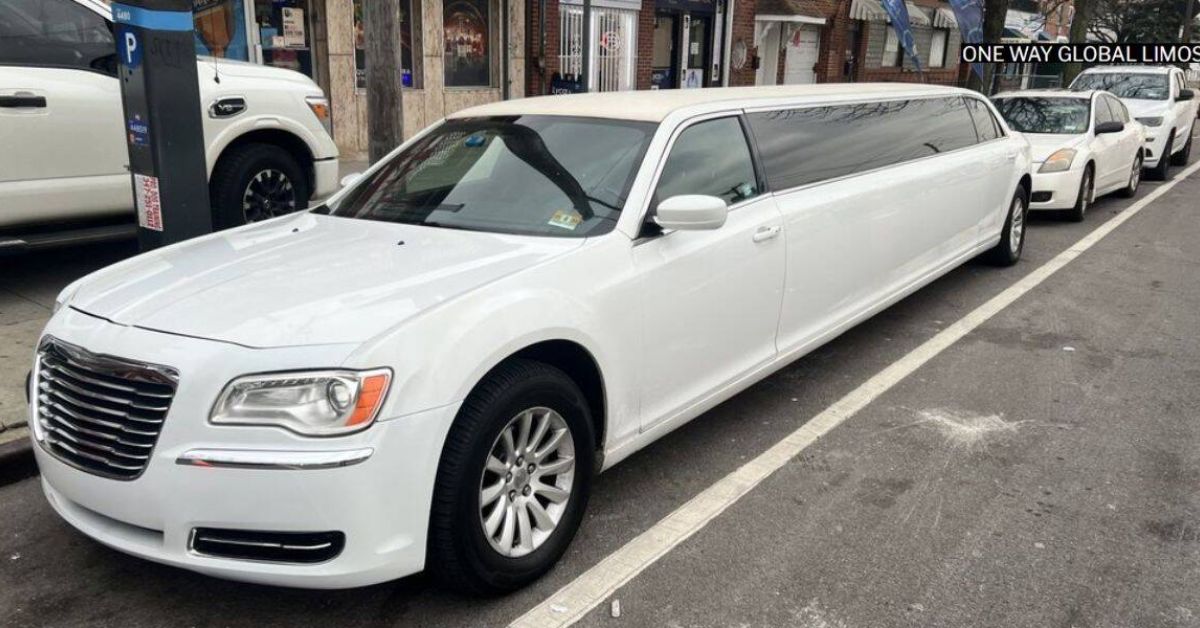
NJ limo providers adapt fleet scheduling and dispatch operations as same-day and short-notice event bookings continue to influence demand.
FREEPORT, NY, UNITED STATES, June 10, 2026 /EINPresswire.com/ — Luxury ground passenger transport providers across New Jersey are adjusting operational workflows as short-notice and same-day event bookings continue to influence fleet scheduling patterns, according to regional booking activity and service dispatch trends observed across the sector.
The service category, commonly identified in consumer search behavior as NJ limo service, operates within a reservation-driven private transport system that includes chauffeured vehicles, sprinter vans, and multi-passenger units used for scheduled and unscheduled event mobility. Operators in this segment rely on time-based dispatch coordination rather than fixed routing systems, which makes flexibility a central operational requirement during peak demand cycles.
Short-Notice Bookings Reshape Dispatch Priorities
Transport operators across the region report that last-minute booking requests now represent a recurring operational factor rather than an occasional disruption. These requests typically occur within compressed time windows, often on the same day or within hours of departure.
Within limo service in New Jersey operations, dispatch teams adjust vehicle allocation based on immediate availability, route distance, and passenger load requirements. Fleet movement is frequently reorganized in real time to accommodate overlapping bookings and sudden schedule changes.
A company representative said the shift has changed how daily operations are structured. “We now plan around unpredictability more than fixed schedules. A portion of the fleet remains flexible throughout the day to handle urgent bookings as they come in,” the spokesperson said.
Observed fleet categories used in this adjustment cycle include:
• Chauffeured sedans and stretch limousines assigned to immediate pickup requests
• Sprinter vans repositioned for group transfers and small-party movement
• Party buses deployed for high-capacity event transport scheduling
• Hourly hire units used for flexible, multi-stop itineraries
• Standby vehicles maintained for emergency or last-minute dispatch coverage
Industry operators note that this type of demand places continuous pressure on vehicle readiness, particularly during weekends, holiday periods, and major social event seasons.
Event-Driven Demand and Time-Sensitive Travel Patterns
Booking data across the New Jersey limo service segment indicates that demand remains strongly tied to event-based travel rather than routine transportation needs. However, a measurable portion of reservations now originates from last-minute coordination changes linked to social or corporate schedules.
Common usage scenarios include wedding-day transport adjustments, prom and graduation scheduling shifts, and late corporate itinerary updates. Airport transfers and private social events also contribute to short-notice booking spikes. Across the sector, these categories include:
• Social events requiring same-day transport coordination
• Corporate travel adjustments linked to meeting or schedule changes
• Airport and hotel transfers with immediate timing requirements
• Group mobility for private celebrations and nightlife transport
• Seasonal event travel linked to regional activity peaks
Transport analysts note that demand intensity fluctuates significantly based on weekends and regional event calendars, with short-notice bookings often clustering around peak hours.
Fleet Allocation and Real-Time Operational Structuring
Operators in the limousine transport sector use structured dispatch systems to manage unpredictable booking flows. These systems prioritize vehicle proximity, driver availability, and travel distance while balancing pre-scheduled reservations with incoming urgent requests.
Within NJ limo service networks, operational adjustments typically include:
• Redistribution of vehicles across service zones based on live demand
• Driver reallocation for immediate pickup assignments
• Dynamic route modification to accommodate urgent bookings
• Real-time scheduling updates during peak travel windows
• Expansion of standby capacity during high-volume periods
Fleet managers indicate that operational flexibility depends heavily on maintaining unassigned vehicle buffers, particularly during seasonal spikes and high-frequency event periods.
Private Mobility Segment and Service Classification
Luxury limousine operations in New Jersey fall under private ground passenger transport, a category defined by reservation-based vehicle usage for individual and group movement. This segment functions separately from public transit infrastructure and freight logistics systems.
The limo service in New Jersey category typically includes:
• Chauffeured limousine services for private and formal transport
• Hourly vehicle hire systems for flexible travel scheduling
• Group transport coordination for social and corporate events
• Event-based mobility services across urban and suburban routes
This classification is widely used in the mobility sector to distinguish on-demand passenger services from scheduled transit networks and commercial logistics operations.
Industry Response to Increased Scheduling Volatility
Transport operators across the region continue to refine operational models in response to increased scheduling volatility. Short-notice booking frequency has led to greater reliance on real-time dispatch systems and expanded driver availability during peak demand windows.
Within New Jersey limo service operations, reported adjustments include extended standby scheduling for select vehicles, flexible shift structures for chauffeurs, and tighter coordination between booking intake and fleet allocation units.
Industry participants indicate that operational performance is increasingly measured by response time to booking requests rather than solely by fleet size or geographic coverage.
Sector Positioning Within Urban Transport Systems
Private limousine and chauffeured transport services in New Jersey operate within a broader urban mobility framework shaped by event-based demand cycles. Unlike fixed-route transport systems, this sector functions on variable scheduling influenced by consumer travel behavior, seasonal activity, and regional event density.
The NJ limo service segment continues to align with structured private transport systems where service delivery depends on reservation timing, vehicle availability, and demand distribution across multiple service zones.
Industry observers note that this segment remains closely tied to social mobility patterns rather than commuter transport systems, with operational flow determined largely by event calendars and short-term travel requirements.
Operational Summary
Luxury ground transport providers across New Jersey continue to adapt to increased short-notice booking activity, reshaping fleet allocation strategies and dispatch coordination models in response to evolving demand conditions. Operational emphasis remains centered on maintaining vehicle readiness for compressed booking windows while balancing scheduled reservations across service zones.
The NJ limo service category continues to function as a reservation-based mobility system shaped by event-driven travel patterns, where responsiveness to time-sensitive requests plays a growing role in overall service operations.
One Way Global Limos
One Way Global Limos
+1 (646) 637-2233
onewaygloballlc@gmail.com
Visit us on social media:
Instagram
Facebook
YouTube
Legal Disclaimer:
EIN Presswire provides this news content “as is” without warranty of any kind. We do not accept any responsibility or liability
for the accuracy, content, images, videos, licenses, completeness, legality, or reliability of the information contained in this
article. If you have any complaints or copyright issues related to this article, kindly contact the author above.

Media gallery