
Non-GMO Project Adds Sugarcane to High-Risk List in Version 17 of its Standard
PR Newswire
BELLINGHAM, Wash., Oct. 1, 2026
New Standard addresses GMO sugarcane in the global supply chain and emerging biotechnology, with sugarcane requirements taking effect December 1, 2028
BELLINGHAM, Wash., Oct. 1, 2026 /PRNewswire/ — The Non-GMO Project today published Version 17 of the Non-GMO Project Standard, adding sugarcane to its High-Risk List in response to the growing commercial availability of genetically modified sugarcane. The update also clarifies requirements for emerging biotechnology and revises facility inspections to help protect non-GMO choices for shoppers.
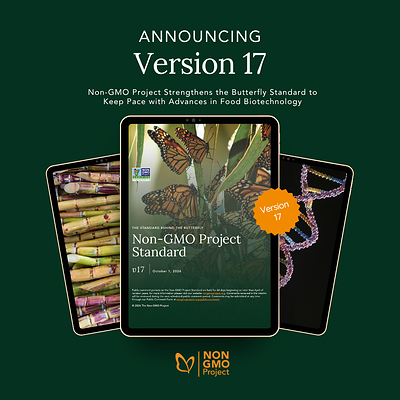
The Standard serves as a benchmark for non-GMO verification across the food industry. As genetic engineering expands beyond familiar commodity crops to include gene editing, precision fermentation, cell-free production systems and other emerging applications, the Project continues to evaluate how these changes affect the non-GMO supply chain. Version 17 supports brands and retailers in preserving the integrity of the Butterfly seal that shoppers trust.
“The Butterfly Standard must remain meaningful as the technology behind our food changes,” said Megan Westgate, founder and CEO of the Non-GMO Project. “Version 17 reflects the care, research and continuous improvement required to maintain that trust. These updates give shoppers clearer choices while helping brands prepare for emerging risks and protect the integrity of the non-GMO supply chain.”
Key changes in Version 17
- Sugarcane joins the High-Risk List. Cane sugar has long been an important non-GMO alternative to sugar from genetically modified sugar beets. As GMO sugarcane cultivation expands in Brazil and its presence in global supply chains grows, brands need greater assurance of non-GMO sourcing. Starting December 1, 2028, sugarcane will be treated as a High-Risk crop under the Standard, triggering additional sourcing documentation requirements. The transition period gives brands and suppliers time to review their sugarcane sources, gather the required documentation and make any needed changes.
- The Standard more clearly addresses emerging biotechnology. Version 17 clarifies the technologies covered by the Standard, including CRISPR and other gene editing methods, synthetic biology and precision fermentation. It also addresses newer ways of making food ingredients, including plant molecular farming and cell-free systems, which use cellular components to make compounds outside of living cells. In addition, the Standard prohibits organisms exposed to heavy ion beam radiation and ingredients made from them. These updates help ensure that verification considers how an ingredient was made, even when its production method is not evident in the finished product or on the label.
- Facility inspections become more closely tied to risk. Facilities that handle both compliant and noncompliant versions of major High-Risk ingredients will continue to receive onsite inspections. Beginning November 1, 2027, facilities with at least two years of consistent compliance and no major nonconformities may qualify for inspections once every three years instead of annually, following a risk review. Facilities that collect testing samples onsite will continue to be inspected annually. The Project may require additional or unannounced inspections when warranted. This approach focuses oversight where the risk of mixing or contamination is greatest while recognizing facilities with a strong record of compliance.
- Requirements are clearer across complex supply chains. Version 17 clarifies requirements for processing aids, microorganisms, enzymes, biological compounds, mushrooms and the materials used to grow mushrooms. It also clarifies the records needed to trace ingredients through the supply chain, helping brands and suppliers understand what to provide and supporting consistent verification across product categories.
Version 17 takes effect October 1, 2026, with later implementation dates for sugarcane and facility inspection changes. The phased timeline gives program participants time to prepare and make any necessary supply chain changes. The Non-GMO Project will offer guidance, educational materials and webinars to help brands and suppliers understand the new requirements and prepare for the sugarcane transition. These resources include the new GM Crop Library, a growing, searchable database that helps brands and suppliers stay informed about genetically modified crops, including varieties, developers, regulatory concerns and market status.
Read Version 17 of the Non-GMO Project Standard and access program resources at nongmoproject.org/the-standard/. Program participants may direct implementation questions to their Technical Administrator.
About the Non-GMO Project
The Non-GMO Project is a mission-driven nonprofit organization with nearly 20 years of experience in independent food verification. Today, the Project operates two verification programs: Non-GMO Project Verified, represented by the trusted Butterfly seal on more than 63,000 products, and Non-UPF Verified, which brings greater transparency to how food is made by evaluating ingredients, formulation and processing.
Together, these programs reflect the organization’s growing commitment to food integrity and its vision for a food system that nourishes people and the planet. Learn more at nongmoproject.org and nonultraprocessed.org.
press@nongmoproject.org | +1 (360) 255-7704
 View original content to download multimedia:https://www.prnewswire.com/news-releases/non-gmo-project-adds-sugarcane-to-high-risk-list-in-version-17-of-its-standard-302895798.html
SOURCE Non-GMO Project


